

Welcome to the world of design, creativity, and meaningful details.

Principles of Pharmacy Interior Design; From Lighting to Spatial Identity

Principles of Pharmacy Interior Design; From Lighting to Spatial Identity

Principles of Pharmacy Interior Design; From Lighting to Spatial Identity

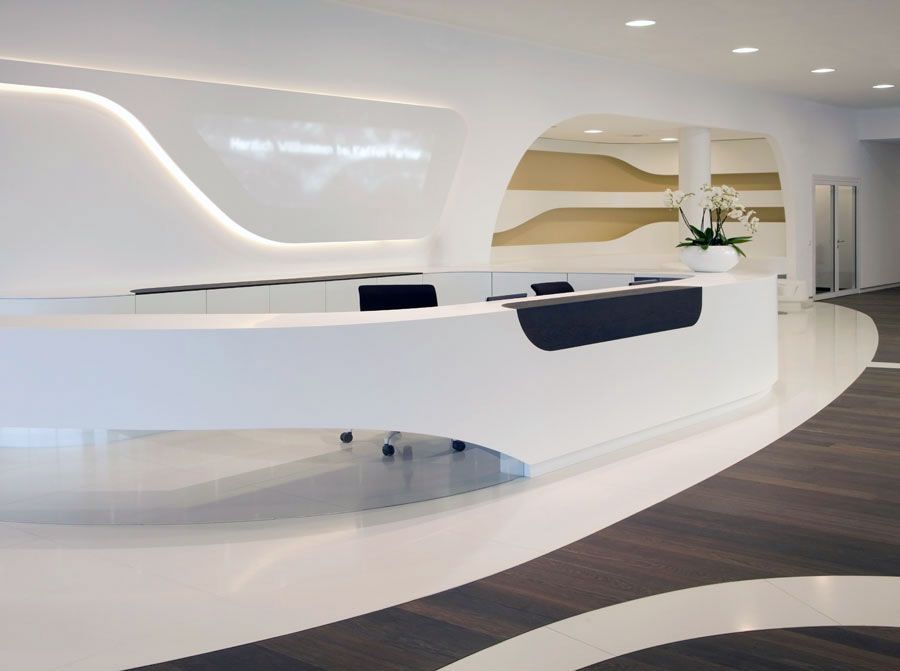
Modern pharmacies are no longer just places to dispense medication. They are an integral part of the healthcare experience and shape how people perceive a professional and trustworthy medical environment. When interior design is done correctly, a pharmacy can subconsciously convey trust, calmness, and expertise to its visitors.


But how does a pharmacy reach a higher level—both visually and functionally?
The answer lies in three key elements: space, light, and identity.


1) Spatial Identity; Where Design Meets Trust

In pharmacy interior design, the most overlooked—yet most influential—factor is spatial identity.
Spatial identity is what makes a pharmacy:

  • Visually distinctive
  • Easily recognizable
  • Professionally credible
  • Memorable in the visitor’s mind


Spatial identity is usually shaped by:

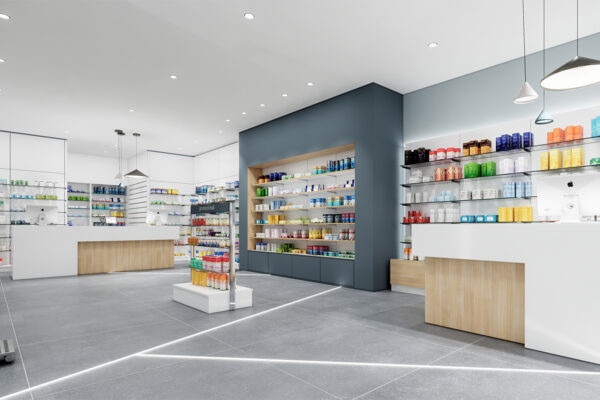
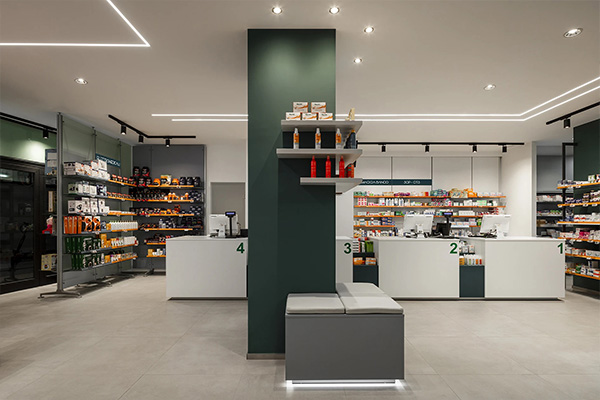
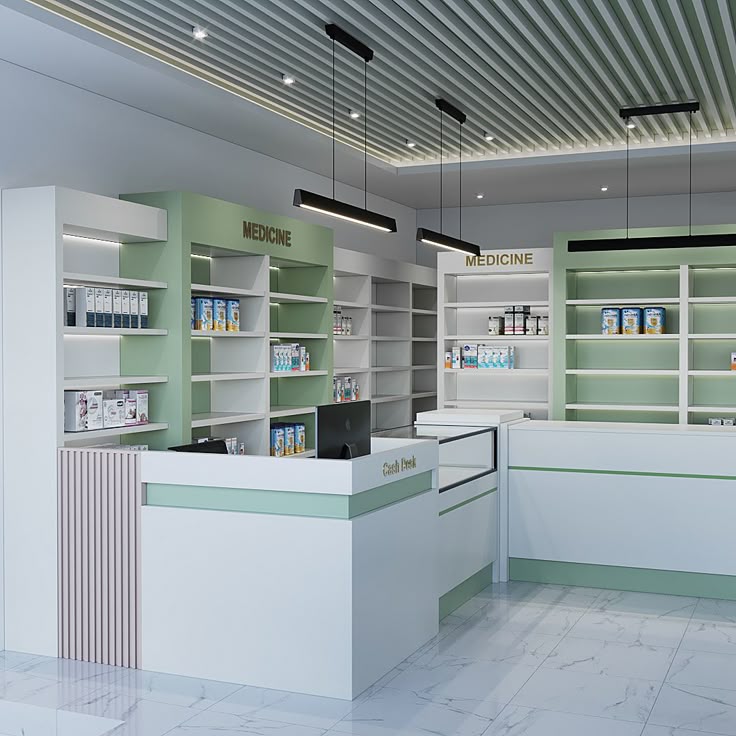
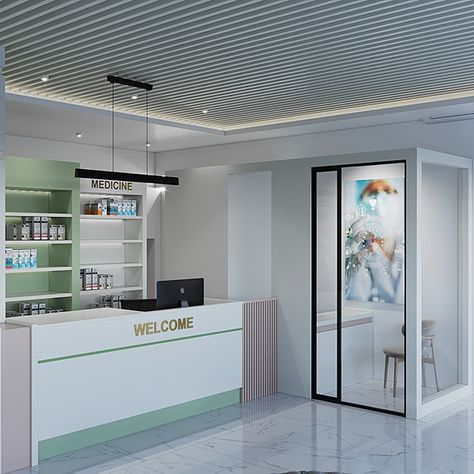
  • A clear and intentional color palette (calming cool tones combined with natural materials)
  • Consistent lines and forms in counters, shelving, and signage
  • A distinctive lighting concept
  • Thoughtful product presentation
  • A deliberately designed circulation path — not random


🌱 A pharmacy with a strong spatial identity remains recognizable even without a logo.


2) Lighting Design; The Architecture of Light in Service of Trust

Lighting in a pharmacy is not just about illumination;
it plays a vital role in the psychology of the visitor’s experience.


In a successful design, lighting should:

  • Enhance clarity, cleanliness, and precision
  • Present products clearly and attractively
  • Guide customers toward key zones and pathways
  • Create a sense of safety and trust


Professional lighting strategies for pharmacies include:

  • Neutral white lighting to enhance clarity
  • Linear lighting along circulation paths for intuitive guidance
  • Focused point lighting (spotlights) to highlight high-demand products
  • Limited use of warm light in waiting areas


🌱 When lighting is done right, visitors don’t search for products — the light guides
them naturally.


3) Product Layout; Intelligent Order, Not Just Shelving

Product layout is often underestimated, yet it is one of the most effective tools for increasing
both customer satisfaction and sales.


Principles of professional pharmacy layout:

  • Categorizing products based on usage and customer needs
  • Placing high-demand items within direct sightlines
  • Maintaining clear visual continuity throughout the space
  • Setting appropriate shelf heights to reduce confusion
  • Designing U-shaped or looped circulation paths to minimize congestion


🌱 An effective layout acts like a silent salesperson.


4) Colors and Materials; The Silent Language of Healthcare Spaces

No matter how modern a pharmacy looks, if it fails to convey calmness and cleanliness,
the design misses its core purpose.


Recommended colors for pharmacies:

  • Light shades of white, ivory, and silver
  • Medical blues
  • Soft, muted greens
  • Light wood tones for visual warmth


Recommended materials:

  • Matte, antibacterial surfaces
  • Durable and washable flooring
  • Glass and transparent acrylic for shelving
  • High-gloss panels for service counters


🌱 The combination of color and material defines the soul of a pharmacy.


5) Functional Zones; In Pharmacy Design, No Space Is Too Small

A pharmacy consists of several essential areas:

  • Entrance
  • Main service counter
  • Waiting area
  • Display shelving
  • Prescription preparation zone
  • Storage and stock room
  • Staff circulation (back-of-house)


🌱 The key to success lies in separating customer flow from staff circulation.
This ensures comfort for visitors and efficiency for staff.


📌 Golden Principles of Pharmacy Interior Design

Design CategoryPrimary GoalKey ConsiderationsImpact on Customer Experience
Spatial IdentityDifferentiation & BrandingDefined color palette, cohesive forms, visual consistencyIncreased trust and professional perception
Lighting DesignGuidance, clarity, calmnessNeutral light, linear lighting, targeted spotlightsReduced confusion, improved spatial clarity
Product LayoutOrder & sales optimizationSmart categorization, designed circulation pathsFaster product access, higher satisfaction
Color & MaterialsCleanliness & calmnessCool tones, light wood, durable materialsSense of safety and comfort
Zoning & PlanningStaff efficiencySeparated circulation, open sightlinesFaster service delivery

6) Conclusion: Pharmacy Architecture—Details That Shape Experience

A pharmacy with a well-planned and professional interior design is not only more attractive, but
it also:

  • Improves sales performance
  • Builds customer loyalty
  • Strengthens brand identity
  • Transforms each visit into a positive experience


🌱 Ultimately, pharmacy interior design goes beyond shelving and material selection.
This seemingly simple process has a direct impact on user experience and staff performance.

Every pharmacy has its own story,
and design should tell that story in a calm, clear, and trustworthy way

Grouping


Articles


Threshold and its application in interior architecture

Threshold and its application in interior architecture

The threshold is a small part of a doorway that may go unnoticed at first glance, yet for centuries ...
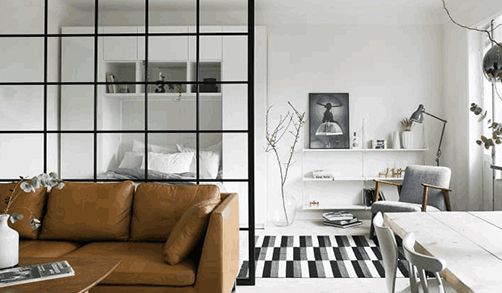
What are the principles of decorating small houses?

What are the principles of decorating small houses?

A small home doesn’t mean limited beauty or comfort. On the contrary, compact spaces open the door to creative ...
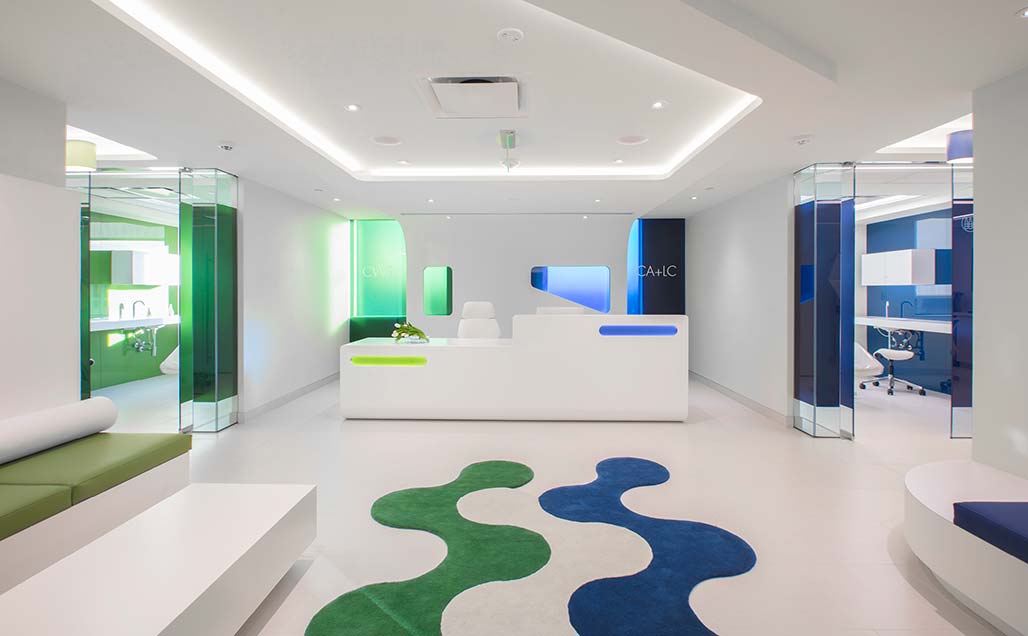
Healing Colors: Color Palettes That Define the Identity of Clinics and Medical Offices

Healing Colors: Color Palettes That Define the Identity of Clinics and Medical Offices

When a patient enters a clinic or medical office, the first thing they notice is not the smell of ...
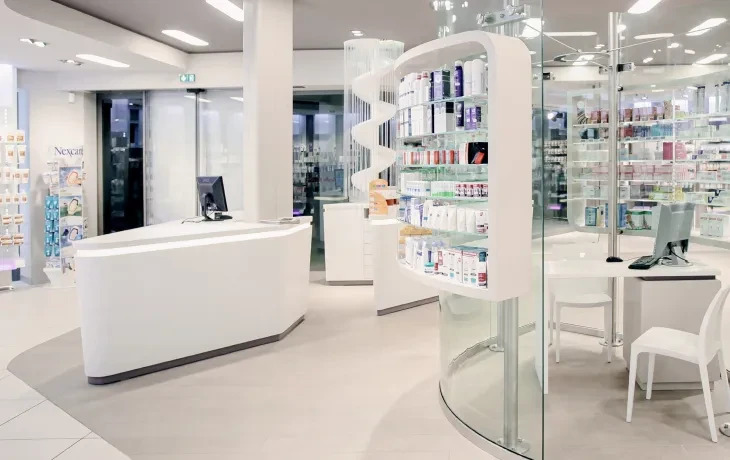
The Application of Colors and Materials in Pharmacy Design

The Application of Colors and Materials in Pharmacy Design

A pharmacy is not just a space for selling medicine; it is an environment that must inspire trust and ...
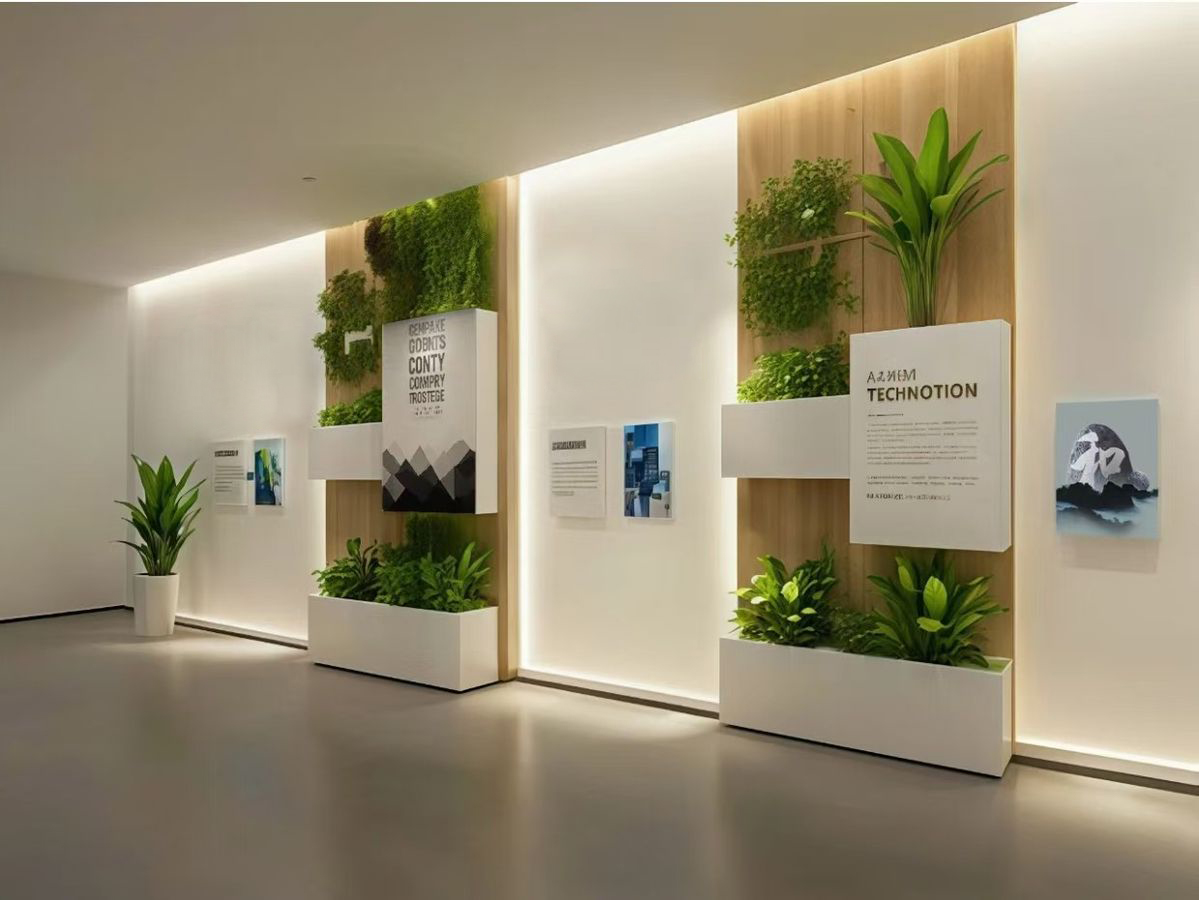
The Role of Small Green Spaces in Creating Calm in Healthcare Environments

The Role of Small Green Spaces in Creating Calm in Healthcare Environments

A clinic or doctor’s office is, for many patients, a place they enter with anxiety: a space filled with ...

10 Common Mistakes in Residential Plan Design

10 Common Mistakes in Residential Plan Design

Designing a residential plan is more than just arranging rooms and walls—it’s about creating a space that is functional, ...
The Psychology of Space in Clinics; Architecture That Reduces Anxiety

The Psychology of Space in Clinics; Architecture That Reduces Anxiety

 When a patient enters a clinic or doctor’s office, the very first thing they experience is the space itself. ...

Principles of Pharmacy Interior Design; From Lighting to Spatial Identity

Principles of Pharmacy Interior Design; From Lighting to Spatial Identity

Modern pharmacies are no longer just places to dispense medication. They are an integral part of the healthcare experience ...

Contact


Phone number

(+98) 935 - 812- 7383

Instagram

parisa.rajabpour_architect

E-mail

info@pr-design.com