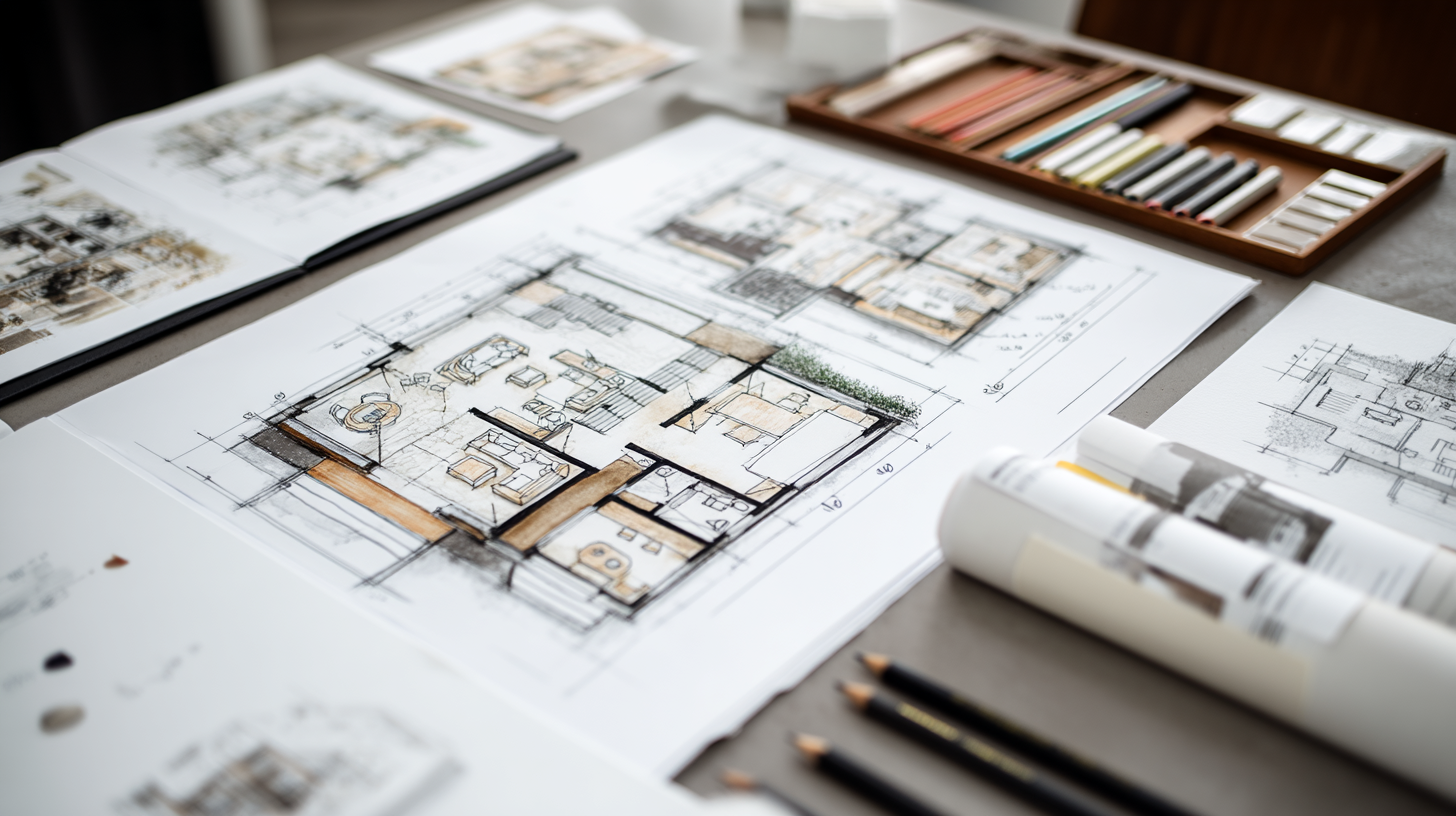
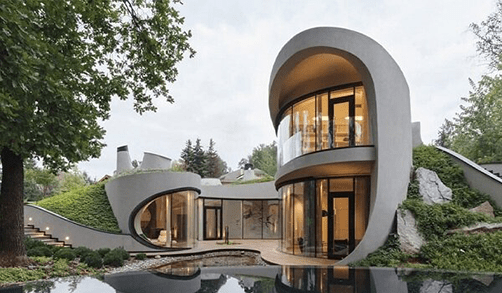
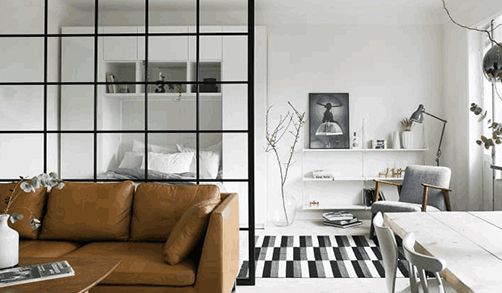
Designing a residential plan is more than just arranging rooms and walls—it’s about creating a space that is functional, comfortable, and aligned with the lifestyle of its occupants. Yet, in many cases, common mistakes during the design process can lead to houses that feel cramped, impractical, or even uncomfortable in the long run. Here are ten frequent errors to avoid when designing residential floor plans.
1. Ignoring Natural Light
A lack of windows or poor orientation of rooms reduces comfort and wastes the potential of daylight. Natural light should be considered a key design element, not just an afterthought.
2. Oversized or Undersized Rooms
Rooms that are either too large or too small compared to their intended function can disrupt the balance of the plan and lead to wasted space or inefficiency.
3. Weak Connection Between Spaces
Circulation paths should feel natural. Poorly designed corridors or disconnected zones often create confusion and reduce functionality.
4. Neglecting Storage Areas
Ignoring storage spaces is one of the most common mistakes. A house without sufficient storage quickly becomes cluttered and uncomfortable.
5. Poor Kitchen Placement
The kitchen is the heart of the home. If it is poorly located—far from the dining area or with awkward access—it will impact daily living flow.
6. Ignoring Flexibility
Modern families need spaces that adapt over time. A rigid plan with no flexibility can make the home less valuable and harder to live in long term.
7. Misplaced Bathrooms
Bathrooms without natural ventilation or too far from bedrooms are common errors that affect both comfort and hygiene.
8. Poor Zoning Between Public and Private Areas
Mixing private spaces (like bedrooms) with public areas (like the living room) without clear separation can reduce privacy and comfort.
9. Overlooking Outdoor-Indoor Connection
A good residential plan considers gardens, balconies, or terraces as extensions of the indoor living space. Neglecting these areas makes the home feel isolated.
10. Forgetting Future Needs
Designing only for the present without considering future family growth or lifestyle changes leads to plans that age poorly.
Quick Overview
| Mistake |
Consequence |
Solution |
| Ignoring natural light |
Dark, less inviting spaces |
Maximize window placement, orient rooms correctly |
| No storage |
Cluttered, impractical living |
Include built-in closets and storage areas |
| Poor zoning |
Reduced privacy |
Separate public and private areas clearly |
| Misplaced kitchen |
Inefficient daily flow |
Place near dining and entry points |
| Rigid layout |
Limited adaptability |
Design multi- purpose spaces |
Conclusion
A well-designed residential plan should balance beauty, comfort, and functionality. By avoiding these common mistakes, architects and homeowners can ensure that their homes not only look good but also support everyday life in the best possible way. After all, a house is more than walls and furniture—it’s a framework for living.