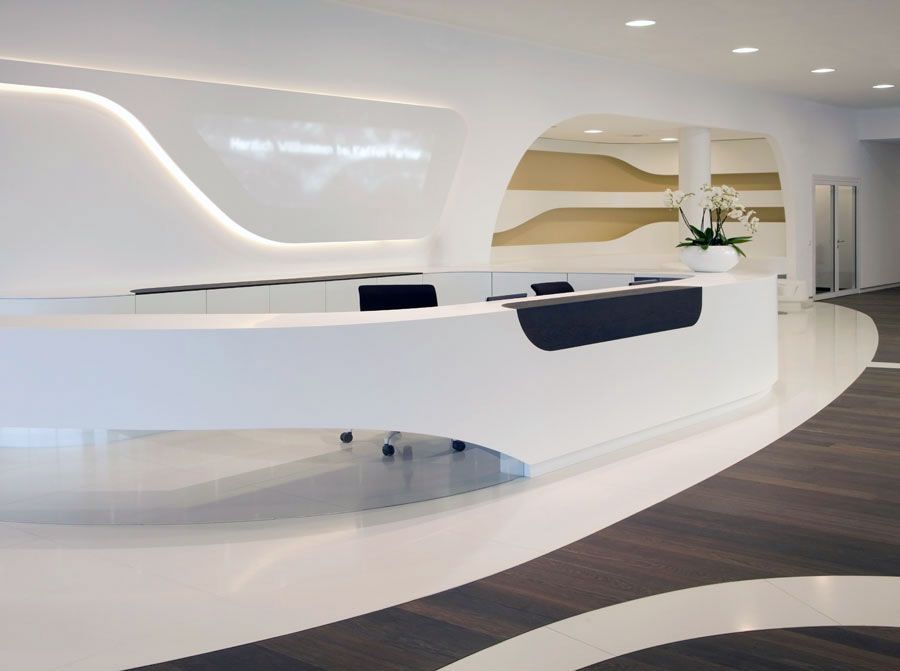
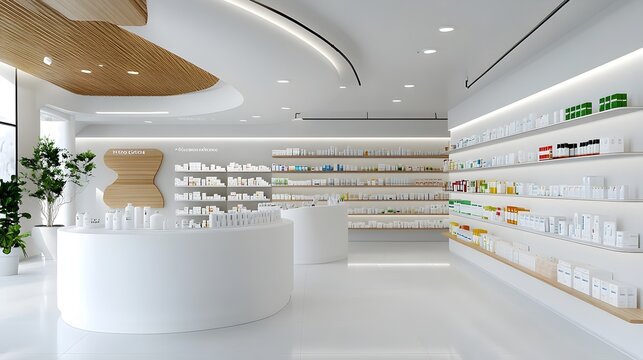
When a patient enters a clinic or medical office, the first thing they notice is not the smell of disinfectants or the sound of devices—it’s the color of the space. Colors, more than any other element, unconsciously deliver messages of trust, calm, or even anxiety. That’s why professional clinic design is not just about furniture or lighting; it starts with choosing the right color palette.
Why are colors healing?
Colors are a universal language; they communicate emotions without words. In healthcare environments, often associated with stress and anxiety, the impact of this language becomes even more significant.
- White can reinforce a sense of cleanliness and transparency, signaling a hygienic and trustworthy environment.
- Green evokes the calm of nature and creates a connection between patients and a sense of wellness.
- Light blue conveys trust and tranquility, helping to ease patients’ mental tension.
- Warm neutrals like beige or cream add friendliness and warmth, preventing the space from feeling too sterile.
- Light gray, with its modern and neutral character, balances other colors and creates harmony.
Suggested Color Palettes for Clinics and Medical Offices
| Color |
Psychological Effect |
Best Application |
| White |
Cleanliness, transparency |
Base wall color, reception counter |
| Light green |
Calmness, connection to nature |
Waiting areas, staff rest spaces |
| Light blue |
Trust, order, tranquility |
Doctor’s office, specialized rooms |
| Beige/Cream |
Warmth, friendliness |
Combined with white to avoid coldness |
| Light gray |
Modern, balancing |
Accent walls, minimalist furniture |
Beyond Colors: The Role of Materials
Colors become more impactful when paired with the right materials. For example:
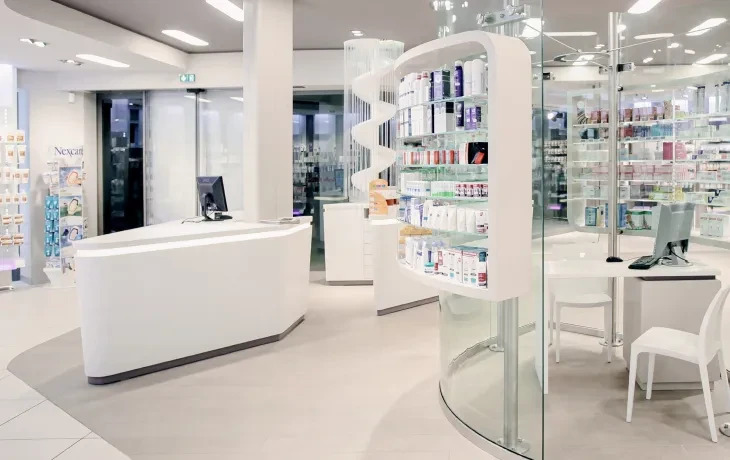
- Glass combined with white enhances brightness and transparency.
- High-gloss surfaces with light tones amplify a modern, clean feeling.
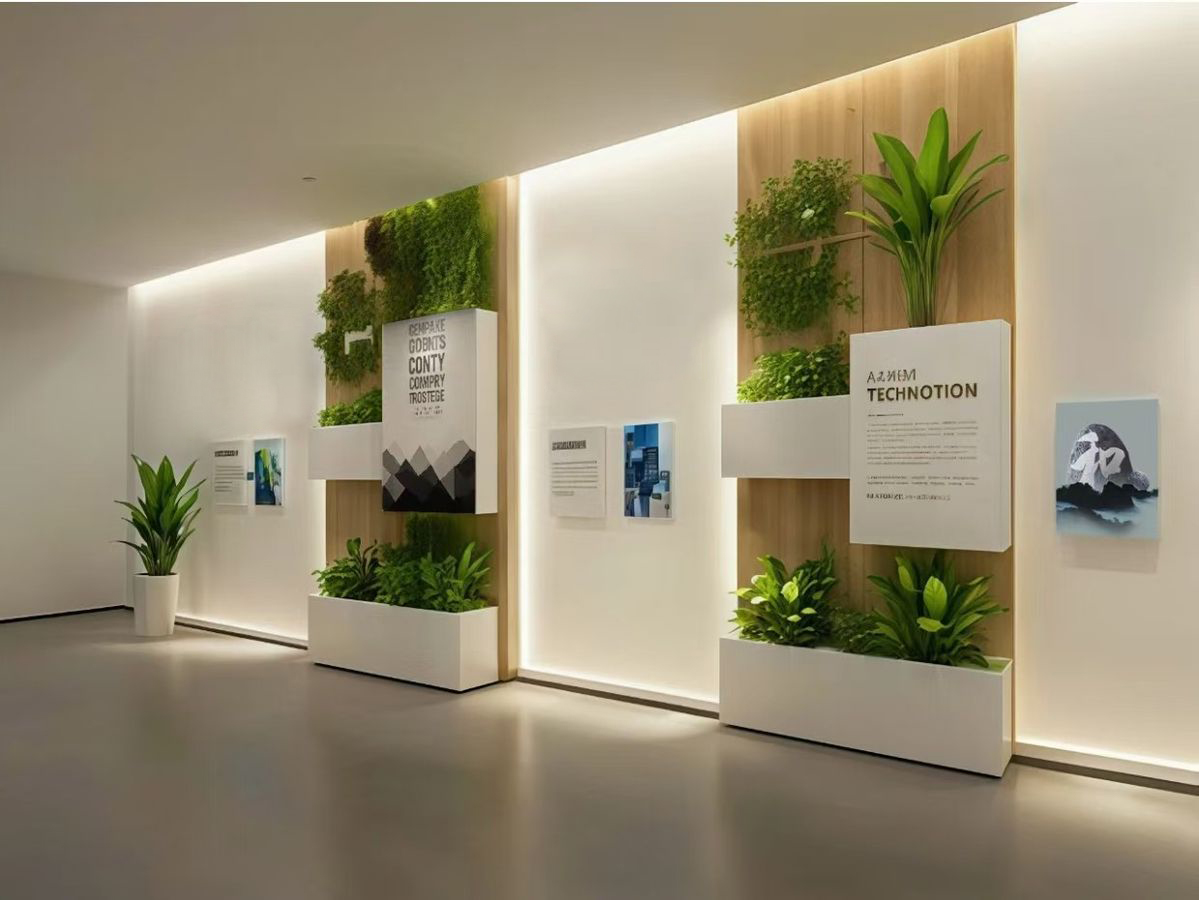
- Light wood paired with beige or cream brings warmth and a sense of humanity to the space.
These combinations are not just aesthetic choices—they directly affect the patient experience and even staff performance.
Color Combinations: The Hidden Language of Identity
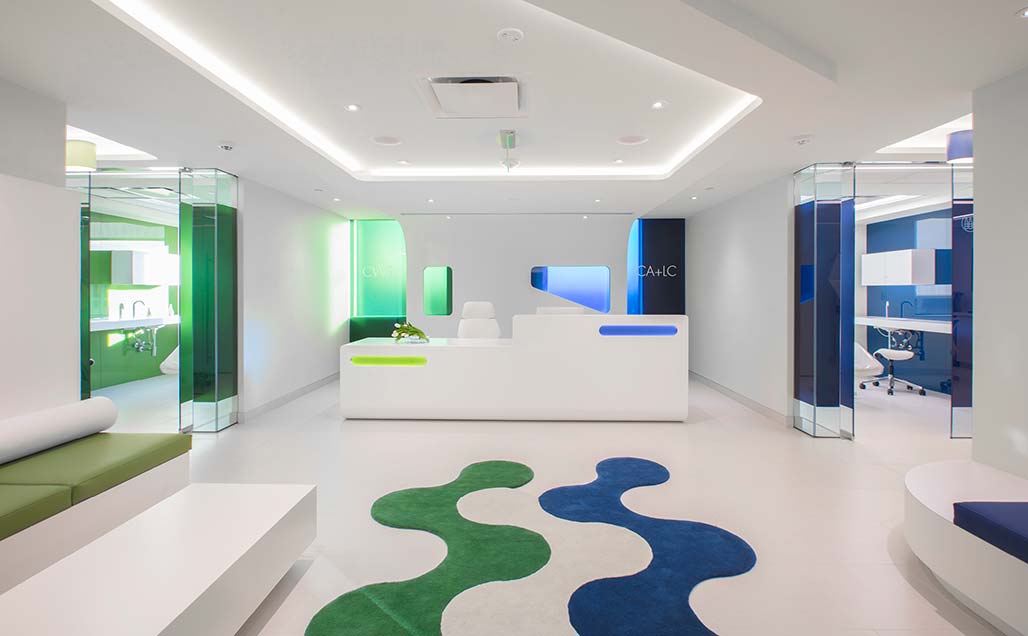
The identity of a clinic is not limited to its logo or signage. When a patient sits in a room with white walls, light green accents, and natural light, they unconsciously perceive the clinic as trustworthy, human-centered, and calming. Even a light blue feature wall or cream-toned furniture can create balance and warmth.
This visual experience ensures that patients remember the space positively, return to it, and even recommend it to others.
Practical Examples
- In a children’s clinic, a mix of green and light blue combined with playful patterns creates an environment where children feel less fear and anxiety.
- In a modern dental office, white walls accented with light gray and enhanced by natural light strengthen the sense of order and trust.
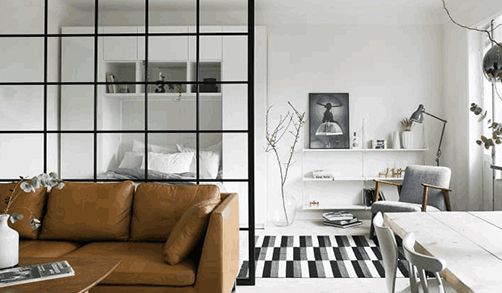
- In a small medical center, adding beige furniture and light wood details makes the space warmer, friendlier, and more human.
📌 Conclusion
Healing colors are far more than decorative choices; they form a bridge between the function of a space and the psychology of its patients. A carefully chosen color palette can reduce patient stress, build trust, and ultimately define the identity of a clinic in a lasting way.
Every selected color becomes part of the patient’s experience. In the world of healthcare design, colors act as a silent language—one that speaks directly to the hearts and minds of patients